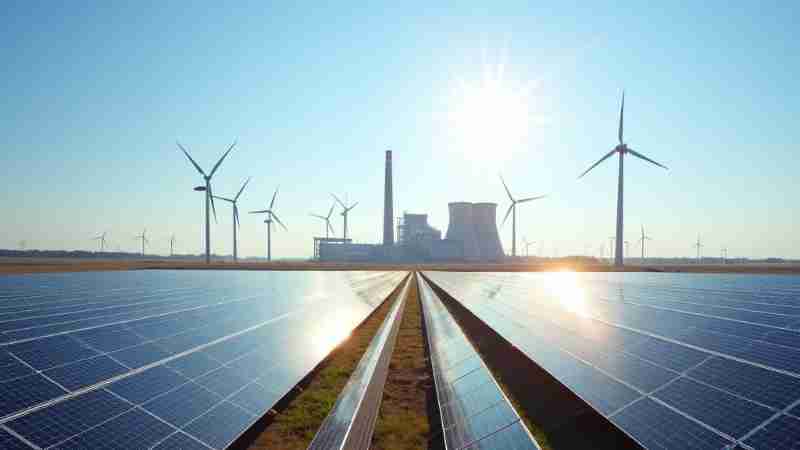
In the first half of 2025, the United States witnessed a monumental shift as renewable energy sources surged, adding a staggering 22 gigawatts of new capacity, predominantly from solar and wind installations.
According to recent reports, solar and wind projects accounted for nearly 96 percent of the new generating capacity. This marks a significant milestone, as renewable sources surpassed coal for the first time in terms of added capacity.
This surge in clean energy reflects years of strategic investment and planning. It has been driven by escalating electricity demands from data centers and the growing trend of electrification across industries and households.
Battery storage and grid integration challenges
A key component of this evolution is battery storage systems that have witnessed significant expansion, aiding in the grid’s acceptance of variable renewable energy.
These technological advancements have been crucial in mitigating intermittency issues and ensuring energy independence, as highlighted by data from the Energy Information Administration.
Still, this quick growth comes with its set of difficulties. Supply chain issues and grid interconnection delays have impeded progress on some projects, despite developers‘ endeavors to fulfill the rising energy demand.
As solar and wind continue to outpace coal, there is a growing emphasis on upgrading transmission infrastructure to prevent curtailments and waste of excess renewable energy.
Investment by the federal government in high-voltage lines is viewed as critical for tackling congestion in crucial areas and facilitating the smooth incorporation of renewable energy sources.
Shaping an environment for clean energy growth
Looking ahead, experts predict that solar generation could surpass hydropower annually, reinforcing the pivotal role of renewables in the country’s energy future.
However, growing energy needs from AI-focused data centers could lead some operators to explore on-site gas options, raising concerns about the direction of clean energy efforts.
Currently, policymakers are concentrating on preserving the pace of advancement using tax incentives and state directives, while handling regulatory frameworks and technology breakthroughs.
The shift towards clean energy not only aligns economic viability with environmental imperatives but also presents significant opportunities for investment in manufacturing and project finance.