The food we eat affects more than our health. It also has a big impact on the planet. On Tuesday, February 17, Conserving Carolina and the Landrum Library will host a free lecture. The event is titled „Food – The Climate Change Nexus: Opportunities for Everyone to Make a Difference.“ Environmental consultant Ted Volskay will explain how food systems drive climate change. He will also share what individuals can do to help.
Understanding food’s environmental footprint
Food production and transport emit significant greenhouse gases. Conserving Carolina notes that these emissions rival those from fossil fuels and global transport. Volskay will break down the stages of food creation that contribute most to emissions. These include farming, processing, and packaging. This helps people see how daily choices matter.
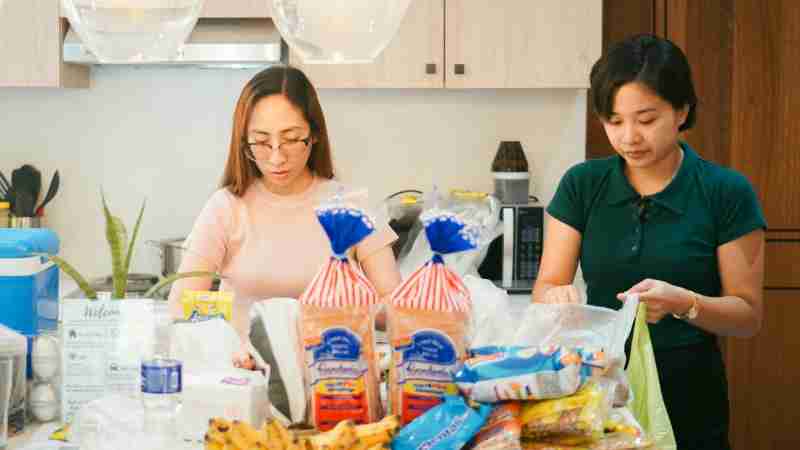
Food waste is another major problem. Millions of tons of edible food are thrown away each year. As this food rots, it releases methane. It also wastes water, energy, and soil. Volskay will show simple ways to cut waste. Planning meals and storing food properly can make a real difference.
Understanding these impacts lets individuals act responsibly. Small changes in buying and consuming food add up over time. Volskay will also suggest ways to support community and sustainable initiatives. Attendees will learn how personal actions can reduce their carbon footprint.
Linking food, climate, and social responsibility
Climate change is increasing food insecurity worldwide. Vulnerable communities are affected first. Volskay will explain how environmental issues intersect with social fairness.
The lecture will highlight ways to take action. Conscious food choices, local activism, and community support can protect both the planet and people. Attendees will see how individual and collective efforts create lasting benefits.
Volskay has expertise in chemistry, environmental systems engineering, and sustainable water management. He blends research with practical solutions. His work helps people understand how environmental issues connect to daily life. This lecture is part of Conserving Carolina and the Landrum Library’s ongoing Speaker Series. It gives the community a chance to learn, discuss, and take action.